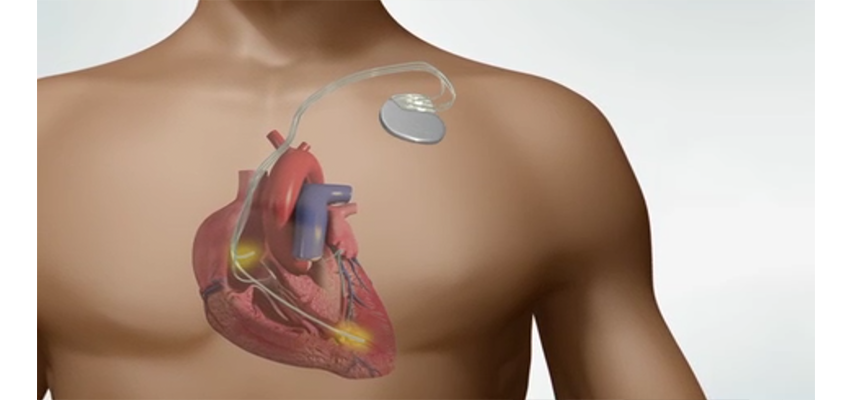
Imagine having a tiny guardian inside your chest—constantly monitoring your heartbeat, ready to jump into action at a moment’s notice to save your life. That’s not science fiction. That’s what an AICD (Automatic Implantable Cardioverter Defibrillator) does.
In today’s blog, we’ll walk you through what an AICD is, why it might be necessary, what the implantation process looks like, and how it can change your life—for the better.
💡 What Is an AICD?
An AICD is a small, battery-powered device implanted in the chest. Its job? To detect abnormal, dangerous heart rhythms—especially ones that can lead to sudden cardiac arrest—and correct them immediately by delivering a shock or pacing the heart back to normal.
Think of it like a personal EMT in your chest: always on, always alert.
👩⚕️ Who Needs an AICD?
Not everyone with heart disease needs one. But for those at high risk of ventricular tachycardia or ventricular fibrillation—fast, chaotic rhythms that can be fatal—an AICD can be a game-changer.
Common reasons a doctor might recommend an AICD:
-
History of sudden cardiac arrest
-
Severely reduced ejection fraction (≤35%) from heart failure or a previous heart attack
-
Diagnosed with life-threatening arrhythmias
-
Certain genetic heart disorders, like Long QT Syndrome or Brugada Syndrome
🛠️ The Procedure: What to Expect
AICD implantation is a relatively quick and minimally invasive procedure.
Here’s how it works:
-
You’re given local anesthesia and mild sedation.
-
The doctor threads thin wires (called leads) through a vein into your heart.
-
The pulse generator (the actual defibrillator) is placed under the skin near your collarbone.
-
The whole setup is tested to make sure it works perfectly.
⏱️ Most procedures take 1 to 2 hours, and you’re usually home the next day.
🩺 Life With an AICD
Life doesn’t stop after getting an AICD—in fact, it often improves. Patients report greater peace of mind knowing they have this safety net in place.
Things to keep in mind:
-
Avoid close contact with strong magnets or electrical fields.
-
You may need to limit driving for a while after implantation.
-
Regular follow-ups are key—some devices can even be checked remotely from home.
Most people return to their usual routines, including exercise, travel, and work. You might need a short adjustment period, but the long-term benefits are worth it.
🧭 Final Thoughts
Getting an AICD isn’t just a medical procedure—it’s a step toward a longer, safer life. It’s about preventing the unthinkable and giving you a second chance at living fully.
If you or a loved one has been told you might need one, don’t panic. Ask questions, get informed, and talk to your cardiologist about whether an AICD could be the right fit.
Because sometimes, the best heartbeats are the ones you don’t have to worry about.