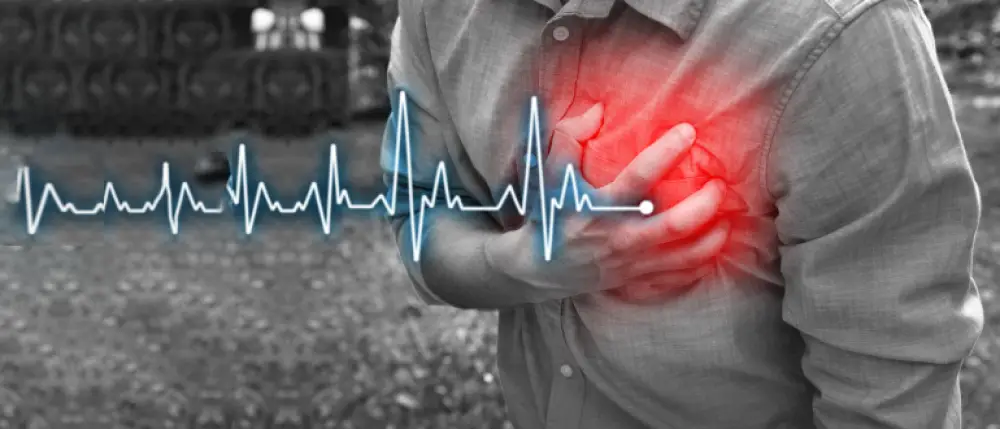
Most people experience heart palpitations at least once in their life. It may feel like your heart is racing, fluttering, skipping a beat, or pounding harder than usual. Often, it happens suddenly—during rest, after exercise, or even while lying quietly in bed at night.
For many, palpitations are harmless and temporary. But in some cases, they can be a warning sign of an underlying heart rhythm problem that needs medical attention. Understanding when palpitations are normal and when they require evaluation can make a critical difference.
What Exactly Are Heart Palpitations?
Heart palpitations are the subjective sensation of being aware of your heartbeat. Normally, the heart beats in a steady, coordinated rhythm, and you don’t feel it. When this rhythm changes—becoming faster, irregular, or forceful—you may suddenly notice it.
Patients describe palpitations in different ways:
-
A fluttering sensation in the chest
-
Rapid or racing heartbeat
-
Skipped or missed beats
-
A pounding or thudding feeling
-
Irregular or uneven heartbeats
Palpitations can last for seconds, minutes, or longer. They may come and go or persist.
Common Benign Causes of Palpitations
Not all palpitations are dangerous. In fact, many are caused by everyday triggers that temporarily affect the heart’s electrical system.
Lifestyle-related triggers
-
Stress and anxiety
-
Caffeine (coffee, tea, energy drinks)
-
Nicotine
-
Alcohol
-
Lack of sleep
-
Dehydration
-
Strenuous exercise
Medical and hormonal causes
-
Fever
-
Anemia (low hemoglobin)
-
Thyroid disorders (especially hyperthyroidism)
-
Low blood sugar
-
Certain medications (asthma inhalers, decongestants)
In these cases, palpitations usually settle once the trigger is addressed.
When Palpitations Could Signal an Irregular Heartbeat
Sometimes, palpitations are caused by arrhythmias—abnormal heart rhythms that originate from issues in the heart’s electrical system.
Common rhythm disorders include:
-
Atrial fibrillation (AF) – irregular, often fast heartbeat
-
Supraventricular tachycardia (SVT) – sudden episodes of very fast heart rate
-
Premature atrial or ventricular contractions (PACs/PVCs) – extra beats
-
Ventricular tachycardia – a serious, potentially life-threatening rhythm
These conditions may require medical evaluation and, in some cases, specialized treatment.
Warning Signs You Should Not Ignore
While occasional palpitations may be harmless, seek medical attention if palpitations are associated with any of the following:
-
Dizziness or lightheadedness
-
Fainting or near-fainting episodes
-
Shortness of breath
-
Chest pain or chest tightness
-
Excessive sweating
-
Fatigue or weakness
-
Palpitations lasting more than a few minutes or occurring frequently
-
A known history of heart disease or heart failure
These symptoms may indicate a significant heart rhythm problem that needs prompt evaluation.
Who Is at Higher Risk?
You may be at higher risk of a serious arrhythmia if you have:
-
High blood pressure
-
Diabetes
-
Previous heart attack
-
Heart failure
-
Structural heart disease
-
A family history of sudden cardiac death
-
Thyroid disorders
In such individuals, palpitations should never be ignored.
How Are Heart Palpitations Evaluated?
Evaluation starts with a detailed discussion about your symptoms—when they occur, how long they last, and what triggers them.
Common diagnostic tests include:
-
Electrocardiogram (ECG) – records heart rhythm at rest
-
Holter monitoring (24–48 hours) – captures intermittent rhythm changes
-
Event recorder or loop recorder – for infrequent symptoms
-
Echocardiography – assesses heart structure and function
-
Blood tests – to check thyroid levels, electrolytes, anemia
In selected cases, an electrophysiology (EP) study may be recommended to precisely identify the source of the abnormal rhythm.
Treatment Options for Irregular Heartbeats
Treatment depends on the underlying cause, frequency of symptoms, and overall heart health.
Management may include:
-
Lifestyle modification (reducing caffeine, managing stress)
-
Medications to control heart rate or rhythm
-
Blood thinners in conditions like atrial fibrillation
-
Catheter ablation for curable arrhythmias such as SVT or selected AF cases
-
Device therapy (pacemaker or ICD) in specific situations
Early diagnosis often leads to simpler and more effective treatment.
Why Early Evaluation Matters
Many arrhythmias are highly treatable, and some are even curable with modern techniques. Delaying evaluation can increase the risk of complications such as:
-
Stroke
-
Heart failure
-
Sudden cardiac arrest
-
Reduced quality of life due to persistent symptoms
If palpitations are recurrent or associated with warning signs, timely consultation with a heart rhythm specialist is crucial.
Expert Care at Yashoda Hospitals – Secunderabad
Advanced cardiac rhythm evaluation and management are available with state-of-the-art facilities and experienced specialists. Patients benefit from comprehensive diagnostics, advanced electrophysiology services, and individualized treatment plans.
Frequently Asked Questions (FAQs)
1. Are heart palpitations always dangerous?
No. Many palpitations are harmless and related to stress, caffeine, or temporary factors. However, persistent or symptomatic palpitations should be evaluated.
2. Can anxiety cause palpitations?
Yes. Anxiety and panic attacks are common causes of palpitations, but it’s important to rule out heart-related causes before attributing symptoms solely to anxiety.
3. How do I know if my palpitations are due to atrial fibrillation?
Atrial fibrillation often causes an irregular, fast heartbeat and may be associated with fatigue or breathlessness. An ECG or Holter monitor is needed for diagnosis.
4. Should I stop exercising if I get palpitations?
Not necessarily. However, palpitations during exercise or followed by dizziness or chest pain should be evaluated before continuing strenuous activity.
5. Can palpitations go away on their own?
Yes, especially if they are caused by temporary triggers. Persistent or worsening palpitations require medical attention.
6. Is catheter ablation safe?
In experienced centers, catheter ablation is a safe and effective treatment for many arrhythmias, with high success rates and short recovery times.
Doctor Details
Dr. M.S. Chandramouli
MD, DM, IDCCM, PDF (EP), ECDS
Consultant Electrophysiologist & Heart Failure Specialist
Hospital: Yashoda Hospitals – Secunderabad
Address: Alexander Rd, Kummari Guda, Shivaji Nagar, Secunderabad, Telangana 500003
Phone: 906 342 0686
Hours: Open 24 hours