A Complete Patient Awareness Guide by Dr. M.S. Chandramouli
Introduction: When a Fast Heartbeat Becomes Dangerous
A racing heart can be frightening. Many people experience sudden episodes where their heart starts beating unusually fast — sometimes reaching 150–250 beats per minute. While this can happen due to stress or exercise, in some cases, it may signal a serious heart rhythm disorder (arrhythmia).
Two of the most commonly confused fast heart rhythm conditions are:
- SVT (Supraventricular Tachycardia)
- VT (Ventricular Tachycardia)
At first glance, both may feel similar — rapid heartbeat, palpitations, dizziness — but the difference between them can be life-saving.
One is usually manageable and less dangerous.
The other can be life-threatening and requires immediate medical attention.
What is Tachycardia?
“Tachycardia” simply means a heart rate faster than 100 beats per minute.
However, the origin of the fast rhythm determines how serious the condition is.
What is SVT (Supraventricular Tachycardia)?

Definition
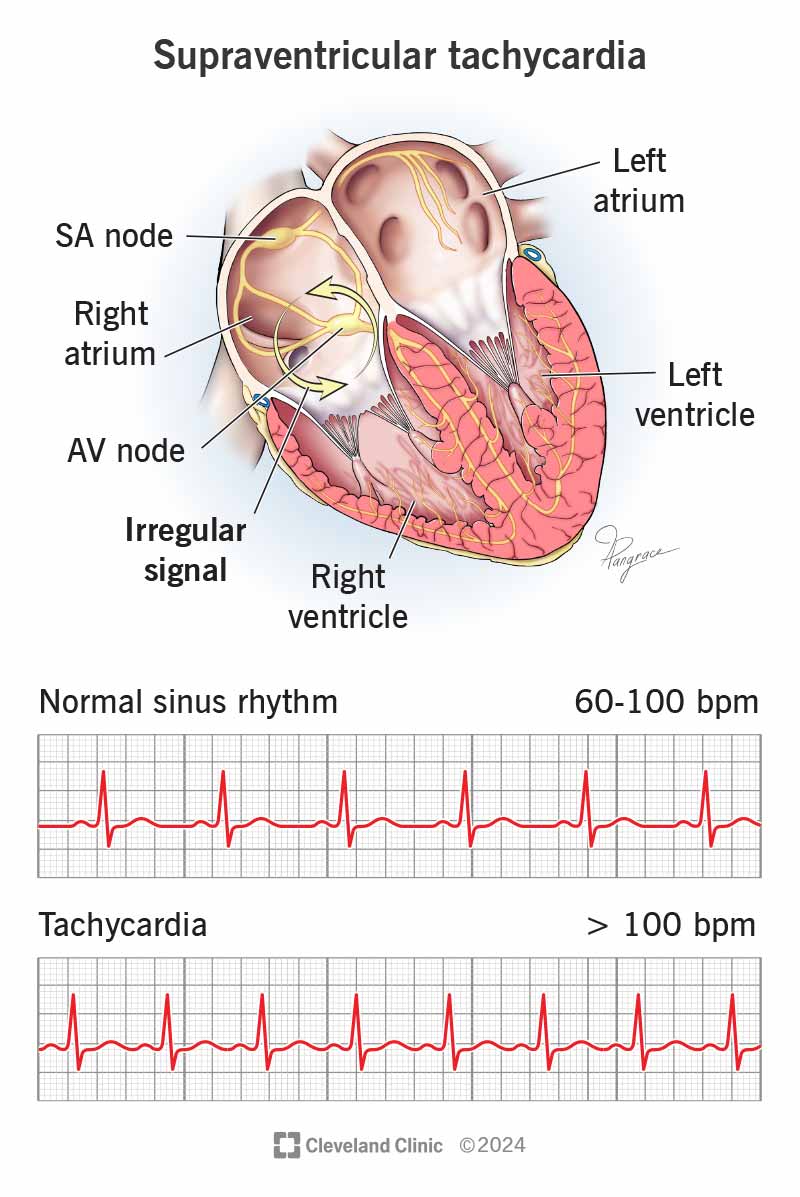
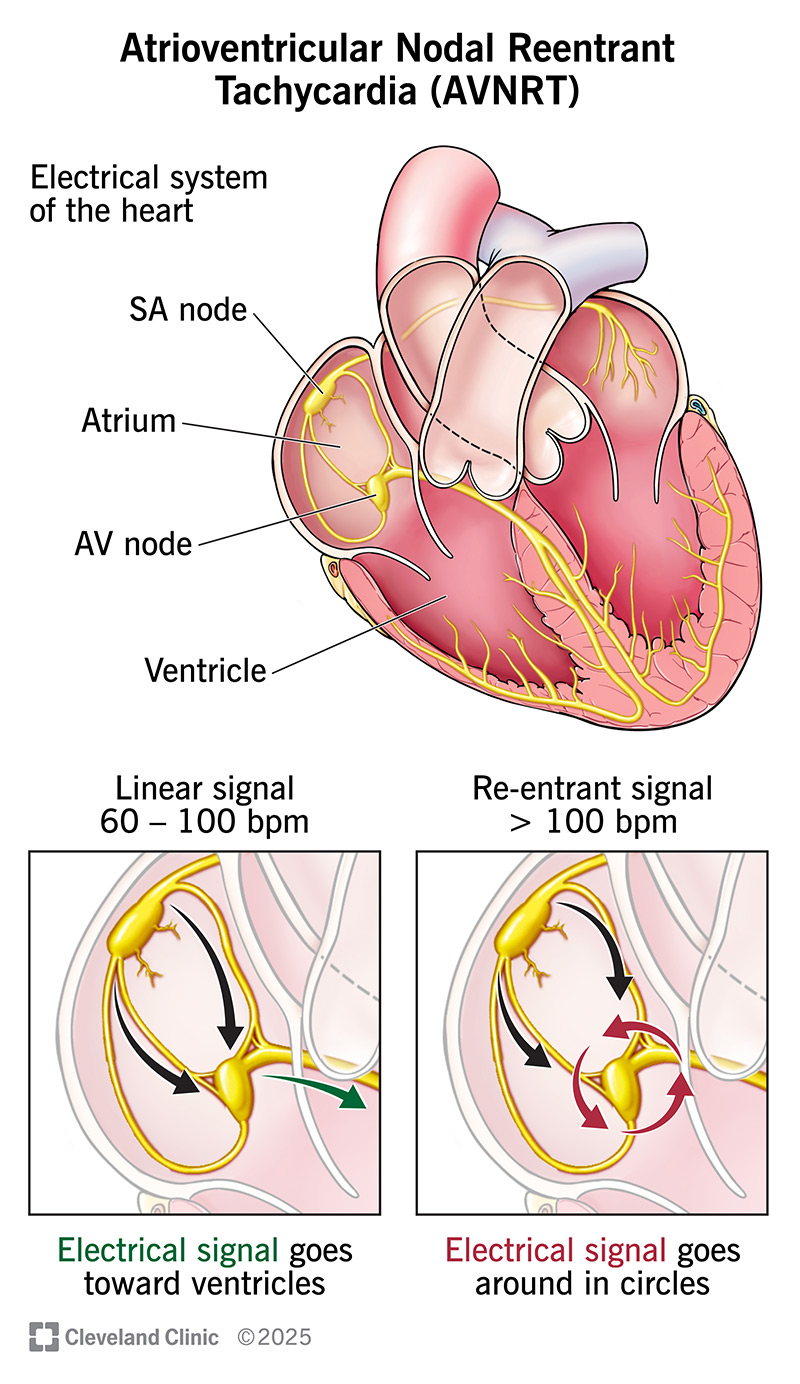
SVT is a rapid heart rhythm that originates above the ventricles, usually in the atria or AV node.
Key Characteristics
- Heart rate: 150–250 bpm
- Rhythm: Usually regular
- ECG: Narrow QRS complex
- Origin: Above ventricles (atria or AV node)
Common Types of SVT
- AVNRT (AV Nodal Reentrant Tachycardia)
- AVRT (Accessory pathway-related tachycardia)
- Atrial tachycardia
Symptoms
- Sudden onset of fast heartbeat
- Palpitations (heart pounding/fluttering)
- Lightheadedness
- Mild shortness of breath
- Anxiety or chest discomfort
Is SVT Dangerous?
Most SVTs are not life-threatening, especially in otherwise healthy individuals. However:
- Frequent episodes can affect quality of life
- Rarely, it can lead to complications if untreated
What is VT (Ventricular Tachycardia)?


Definition
VT is a rapid heart rhythm originating from the ventricles (lower chambers of the heart).
Key Characteristics
- Heart rate: 120–250 bpm
- Rhythm: Can be regular or irregular
- ECG: Wide QRS complex
- Origin: Ventricles
Symptoms
- Severe palpitations
- Dizziness or fainting (syncope)
- Chest pain
- Breathlessness
- Sudden collapse
Why VT is Dangerous
VT can:
- Reduce blood flow to the brain and body
- Progress to ventricular fibrillation (VF)
- Lead to sudden cardiac arrest
⚠️ This is a medical emergency.
SVT vs VT: The Critical Differences
| Feature | SVT | VT |
|---|---|---|
| Origin | Above ventricles | Ventricles |
| ECG | Narrow complex | Wide complex |
| Risk level | Usually safe | Potentially fatal |
| Symptoms | Mild to moderate | Severe |
| Occurrence | Younger, healthy people | Often in heart disease |
| Treatment urgency | Moderate | Immediate emergency |
Why Correct Diagnosis Matters
Misinterpreting VT as SVT can be dangerous and even fatal.
- SVT treatments may not work for VT
- Some medications for SVT can worsen VT
- Delayed treatment in VT can lead to cardiac arrest
This is why expert electrophysiology evaluation is crucial.
Causes and Risk Factors
SVT Causes
- Stress or anxiety
- Excess caffeine
- Thyroid disorders
- Congenital electrical pathways
- Dehydration
VT Causes
- Previous heart attack
- Cardiomyopathy
- Heart failure
- Scar tissue in the heart
- Electrolyte imbalance
When Should You Seek Medical Help?
🚨 Seek immediate medical care if you experience:
- Sudden rapid heartbeat lasting more than a few minutes
- Fainting or near-fainting
- Chest pain
- Severe breathlessness
Even if symptoms seem mild, recurrent episodes should never be ignored.
Diagnosis: How Doctors Differentiate SVT and VT


Diagnostic Tools
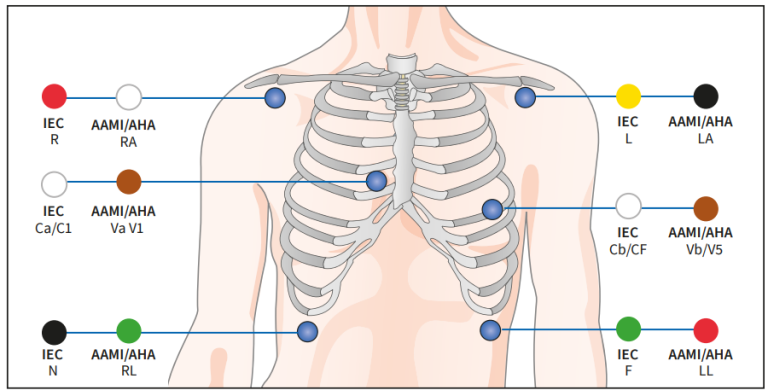
- ECG (Electrocardiogram) – First and most important test
- Holter Monitoring – Continuous rhythm recording
- Electrophysiology Study (EPS) – Advanced mapping of heart rhythm
- Echocardiography – Assess heart structure
Specialists like electrophysiologists use advanced 3D mapping to precisely identify abnormal circuits.
Treatment Options
SVT Treatment
Immediate Management
- Vagal maneuvers (breathing techniques)
- Medications
Long-Term Solution
- Radiofrequency Ablation (RFA)
- Minimally invasive
- High success rate (>95%)
- Permanent cure in most cases
VT Treatment
Emergency Treatment
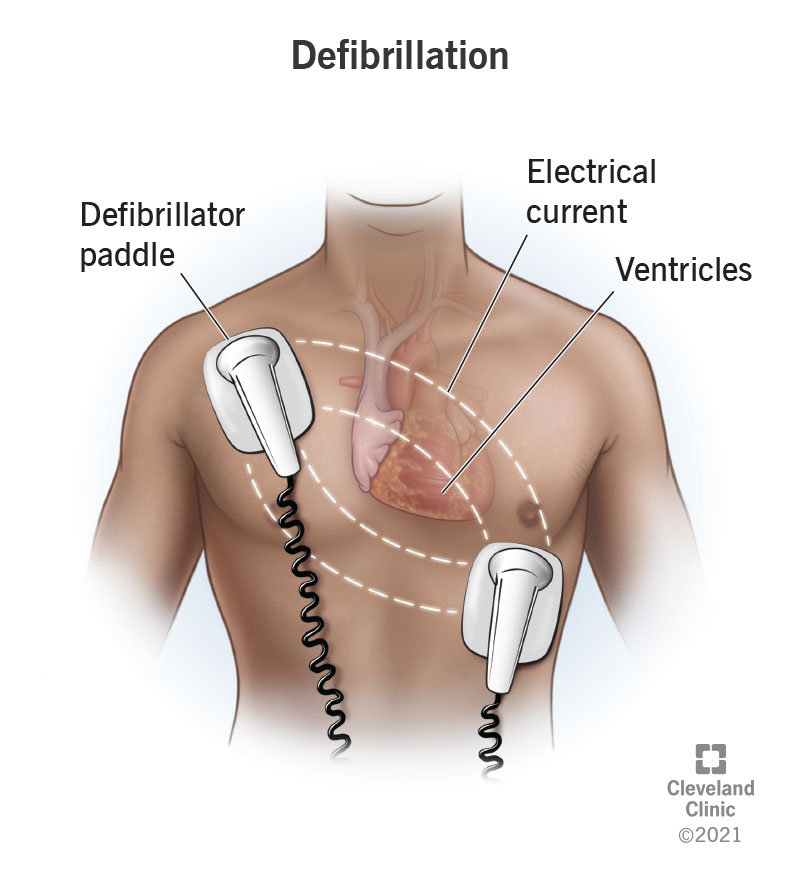
- Electrical cardioversion
- Defibrillation (life-saving shock)
Long-Term Management
- Medications (antiarrhythmics)
- ICD (Implantable Cardioverter Defibrillator)
- Catheter ablation in selected cases
The Role of Electrophysiology Expertise
Managing arrhythmias requires precision, experience, and advanced technology.
With expertise in:
- RFA procedures
- Complex arrhythmia mapping
- Device implantation
Specialists can accurately diagnose and treat both SVT and VT, ensuring patient safety.
FAQs: SVT vs VT
1. Can SVT turn into VT?
Usually no, but both can coexist in some patients with heart disease.
2. Is SVT completely harmless?
Not always. While generally safe, frequent episodes need treatment.
3. Can VT occur in healthy individuals?
Rarely, but it is more common in people with underlying heart conditions.
4. How can I know if my fast heartbeat is dangerous?
You cannot reliably tell without medical evaluation. An ECG is essential.
5. Is ablation safe?
Yes. It is a well-established, minimally invasive procedure with high success rates.
6. What is the survival rate of VT?
It depends on:
- Underlying heart condition
- Speed of treatment
Immediate care significantly improves outcomes.
7. Can lifestyle changes prevent these conditions?
Yes, especially for SVT:
- Reduce caffeine
- Manage stress
- Stay hydrated
- Treat underlying conditions
8. Do all patients with VT need an ICD?
Not all, but many high-risk patients benefit from it.
Final Takeaway
👉 Not all fast heartbeats are the same.
👉 SVT is often manageable — VT can be life-threatening.
👉 Early diagnosis can save lives.
If you or your loved ones experience unexplained palpitations, do not ignore them. The right evaluation at the right time can make all the difference.
About the Doctor
Dr. M.S. Chandramouli
MD, DM, IDCCM, PDF (EP), ECDS
Consultant Electrophysiologist & Heart Failure Specialist
Yashoda Hospitals, Secunderabad
- Expertise in advanced cardiac electrophysiology
- Specialist in arrhythmia management and heart failure